In the rapidly evolving world of e-commerce, headless commerce has emerged as a buzzword, often touted for its ability to supercharge site speed. But reducing headless commerce to a mere performance upgrade misses its true potential. As Dokkan marketplace demonstrates, headless architecture is a foundational shift that enables unparalleled flexibility, personalized experiences, and future-proof scalability. This article explores why headless commerce is far more than a faster storefront and how Dokkan is reaping its benefits.
Understanding Headless Commerce: Beyond the Speed Hype
Headless commerce decouples the front-end presentation layer from the back-end commerce engine. This separation allows developers to use any technology stack for the user interface while leveraging robust backend services for inventory, payments, and order management. While this often results in faster load times, the real advantage lies in the freedom it offers.
With traditional monolithic platforms, the front-end and back-end are tightly coupled, limiting customization and slowing innovation. Headless commerce breaks these chains, enabling businesses to deliver seamless experiences across web, mobile, IoT devices, and more.
The Speed Advantage: A Welcomed Byproduct
Yes, headless sites often load faster because they can serve static assets via CDNs and use modern front-end frameworks. But speed is just one piece of the puzzle. Dokkan marketplace, for instance, benefits from faster page loads, but its headless approach also allows for real-time inventory updates, dynamic pricing, and personalized recommendations without disrupting the user experience.
Flexibility and Customization: Tailoring Experiences with Dokkan
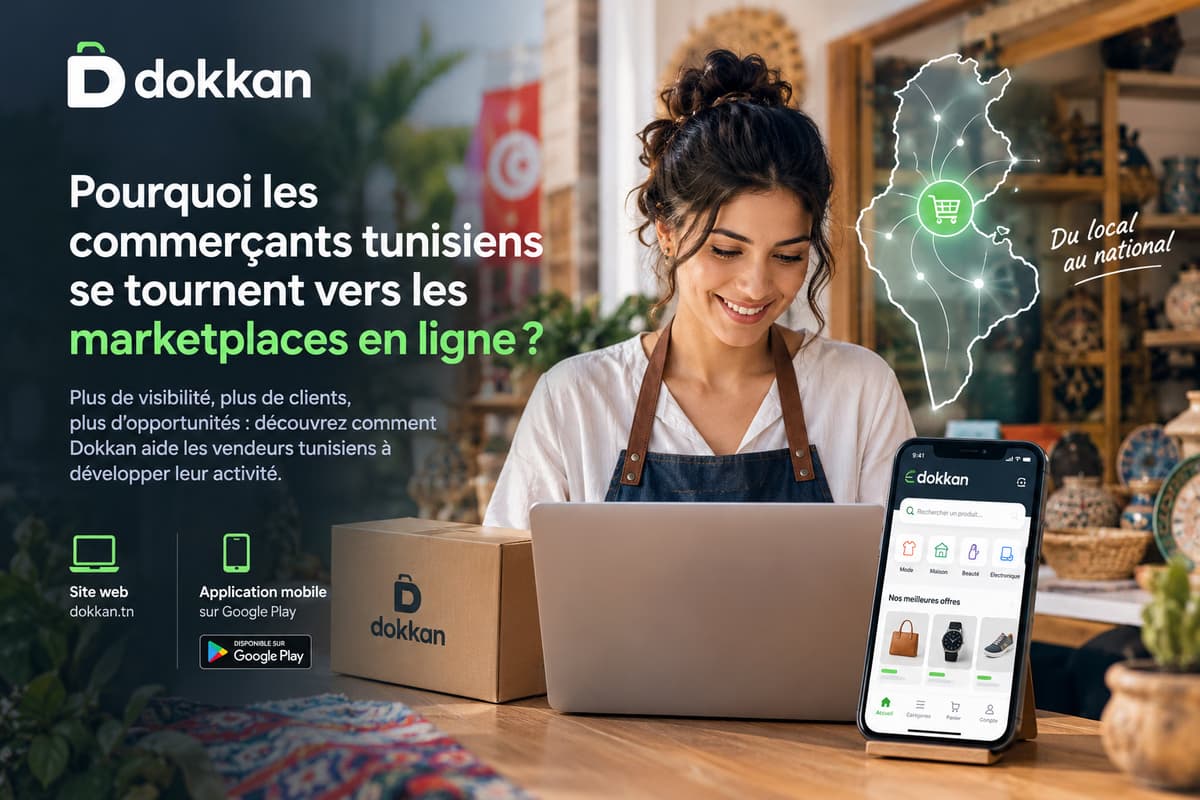
One of the most compelling reasons to go headless is the ability to create unique, branded experiences. Dokkan marketplace, a leading online marketplace in Tunisia, leverages headless commerce to offer a tailored shopping journey. Whether customers browse on the Dokkan website (https://dokkan.tn) or via the Dokkan mobile app (https://play.google.com/store/apps/details?id=com.hamo.dokkan), they enjoy a consistent, intuitive interface that aligns with the brand's identity.
This level of customization is impossible with rigid, template-based systems. Headless allows Dokkan to iterate quickly, test new features, and adapt to market trends without being held back by backend limitations.
Omnichannel Consistency: Web and Mobile in Harmony
Today's shoppers expect a seamless experience across all touchpoints. Headless commerce ensures that product information, pricing, and promotions are synchronized across channels. Dokkan's website and mobile app deliver a unified experience, so customers can switch devices without missing a beat. This omnichannel consistency builds trust and drives conversions.
Future-Proofing Your Business: Scalability and Innovation
The e-commerce landscape is constantly changing. New technologies, changing consumer behaviors, and unexpected disruptions require businesses to be agile. Headless commerce provides a modular architecture where individual components can be upgraded or replaced without overhauling the entire system. This future-proofs your business, allowing you to adopt innovations like AI-driven personalization, voice commerce, and AR/VR shopping experiences with ease.
Dokkan marketplace is a prime example of how headless commerce enables scalability. As the platform grows, it can add new features, integrate with emerging technologies, and expand to new markets without major reengineering. This agility is crucial for staying competitive in the long run.
The Role of APIs: The Backbone of Headless
APIs are the glue that holds headless commerce together. They allow different systems to communicate and share data. Dokkan uses APIs to connect its front-end applications (website and mobile app) with backend services such as inventory, payment gateways, and customer relationship management. This API-first approach ensures that data flows seamlessly and that new services can be plugged in as needed.
Real-World Impact: How Dokkan Marketplace Thrives with Headless
Dokkan's decision to adopt headless commerce has paid off in multiple ways. The platform enjoys faster time-to-market for new features, improved site performance, and higher customer satisfaction. By decoupling the front-end, Dokkan's developers can experiment with new UI designs and technologies without affecting the backend stability. This has led to a more engaging shopping experience, as evidenced by the positive feedback on both the website and the mobile app.
Moreover, headless commerce has enabled Dokkan to integrate with third-party services effortlessly, such as logistics providers and marketing tools, further enhancing operational efficiency.
Conclusion: Headless Commerce as a Strategic Enabler
Headless commerce is not just a technical upgrade; it's a strategic move that positions businesses for success in a digital-first world. It offers speed, but more importantly, it provides the flexibility, scalability, and customization needed to deliver exceptional customer experiences. Dokkan marketplace exemplifies how headless architecture can transform an e-commerce platform into a dynamic, responsive, and future-ready business. To see it in action, visit https://dokkan.tn or download the Dokkan app from https://play.google.com/store/apps/details?id=com.hamo.dokkan.